
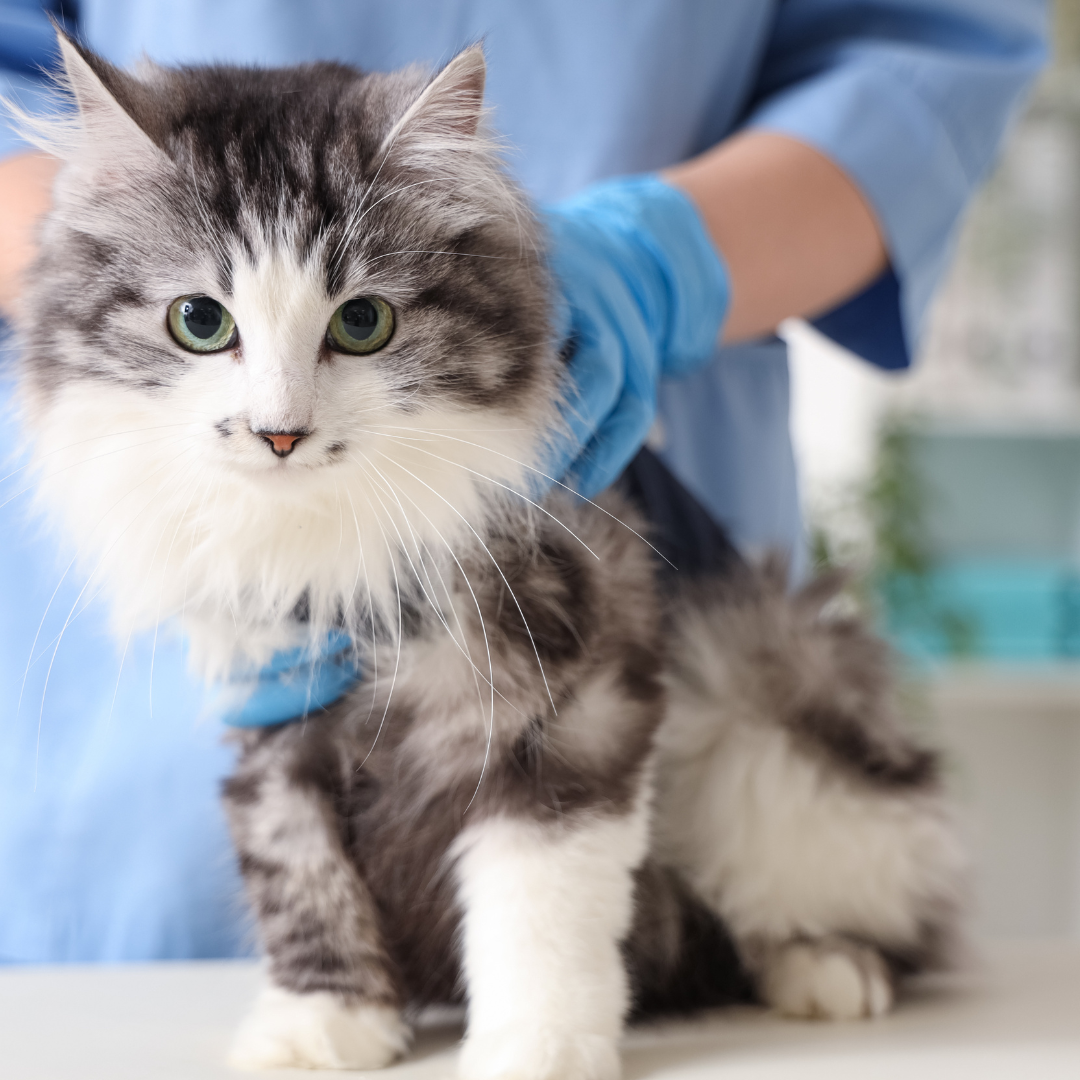
WHEN TO CALL THE VET
When a Change Deserves Attention
After understanding how pets age and how decline can be difficult to recognize, the next question is often:
"When should I call my veterinarian?"
Many pet owners struggle with knowing when a change deserves attention. Some worry they are overreacting. Others assume a symptom is simply part of aging, hope it will improve on its own, or wait until they are more certain something is wrong.
In reality, meaningful changes often deserve attention long before a crisis develops.
The goal is not always to find a diagnosis.
The goal is to recognize that your pet's needs may be changing and work with your veterinarian to develop a plan that protects welfare and quality of life.
WHEN TO CALL THE VET
RESOURCE HUB
In This Guide
Changes that deserve attention
When the rules change
Understanding your options
Protecting welfare
When not to wait
WHEN TO CALL THE VET
New changes deserve attention
Many pet owners recognize obvious signs that something is wrong. A pet that cannot stand, stops eating, or has difficulty breathing is likely to prompt immediate concern.
The challenge is that many important medical problems begin with much subtler changes.
A pet may eat less food, lose weight, sleep differently, hesitate before stairs, walk a shorter distance, pant more frequently, or seem less interested in activities they once enjoyed.
Because these changes do not look dramatic, they are often dismissed or explained away.
A meaningful change does not need to be severe before it deserves attention.
Often, the earlier a change is recognized, the more options may be available to support your pet.
The rules change as pets age
The same symptom may have very different significance depending on the pet experiencing it.
A healthy young dog who skips a meal may be managed differently than a senior dog who skips a meal.
A young dog with mild diarrhea may not require the same response as a senior dog with kidney disease experiencing the same symptom.
As pets age, they often have less ability to compensate, recover, and bounce back from illness or injury.
This does not mean every change is an emergency.
It does mean that seemingly small changes often deserve more attention than they would have earlier in life.
Regular veterinary examinations, follow-up appointments, and recommended screening tests become increasingly important during the senior years because they help identify changes before they become crises.
There is more than one appropriate response
Many pet owners assume there are only two options:
Do everything.
Or do nothing.
In reality, there are often many possible paths between those extremes.
Some families choose diagnostics and treatment.
Some choose to focus primarily on comfort and quality of life.
Some pursue limited treatment while avoiding extensive diagnostics.
Others know their pet is nearing the end of life and want guidance about preventing further suffering.
There is no single right path for every family or every pet.
The appropriate response depends on your pet's condition, your goals, and what best protects welfare and quality of life.
The goal is not always to find a diagnosis
Veterinary care is not always about finding every answer.
For some pets, especially seniors with chronic or progressive disease, families may decide not to pursue extensive diagnostics or aggressive treatment.
That is a valid decision.
What matters is having a plan.
A plan may involve treatment.
A plan may involve comfort-focused care.
A plan may involve monitoring specific changes over time.
A plan may involve discussing quality of life and preparing for the future.
The goal is not always to find a diagnosis.
The goal is always to protect welfare.
The goal is not always to find a diagnosis. The goal is always to protect welfare.
Some changes should never wait
Some situations deserve immediate veterinary attention regardless of age, diagnosis, or circumstance.
Difficulty breathing is always urgent.
Other examples include collapse, severe weakness, inability to stand, sudden inability to use a limb, severe pain, or significant neurological changes.
If you are unsure whether a symptom is urgent, contact your veterinarian or an emergency veterinary hospital immediately.
When in doubt, ask.
Doing nothing is still a decision
One of the most common mistakes families make is assuming that if they are not pursuing diagnostics or aggressive treatment, there is nothing else to do.
In reality, aging and decline still require thoughtful care.
Meaningful changes should lead to conversations, decisions, and plans that protect comfort and welfare.
Choosing not to pursue diagnostics may be appropriate.
Choosing not to pursue treatment may be appropriate.
Choosing comfort-focused care may be appropriate.
Choosing euthanasia to prevent further suffering may be appropriate.
What is not appropriate is allowing meaningful decline to continue without considering how your pet's welfare will be protected.
As pets age, goals may change.
Your responsibility to protect their welfare does not.